Before You Start / Safety
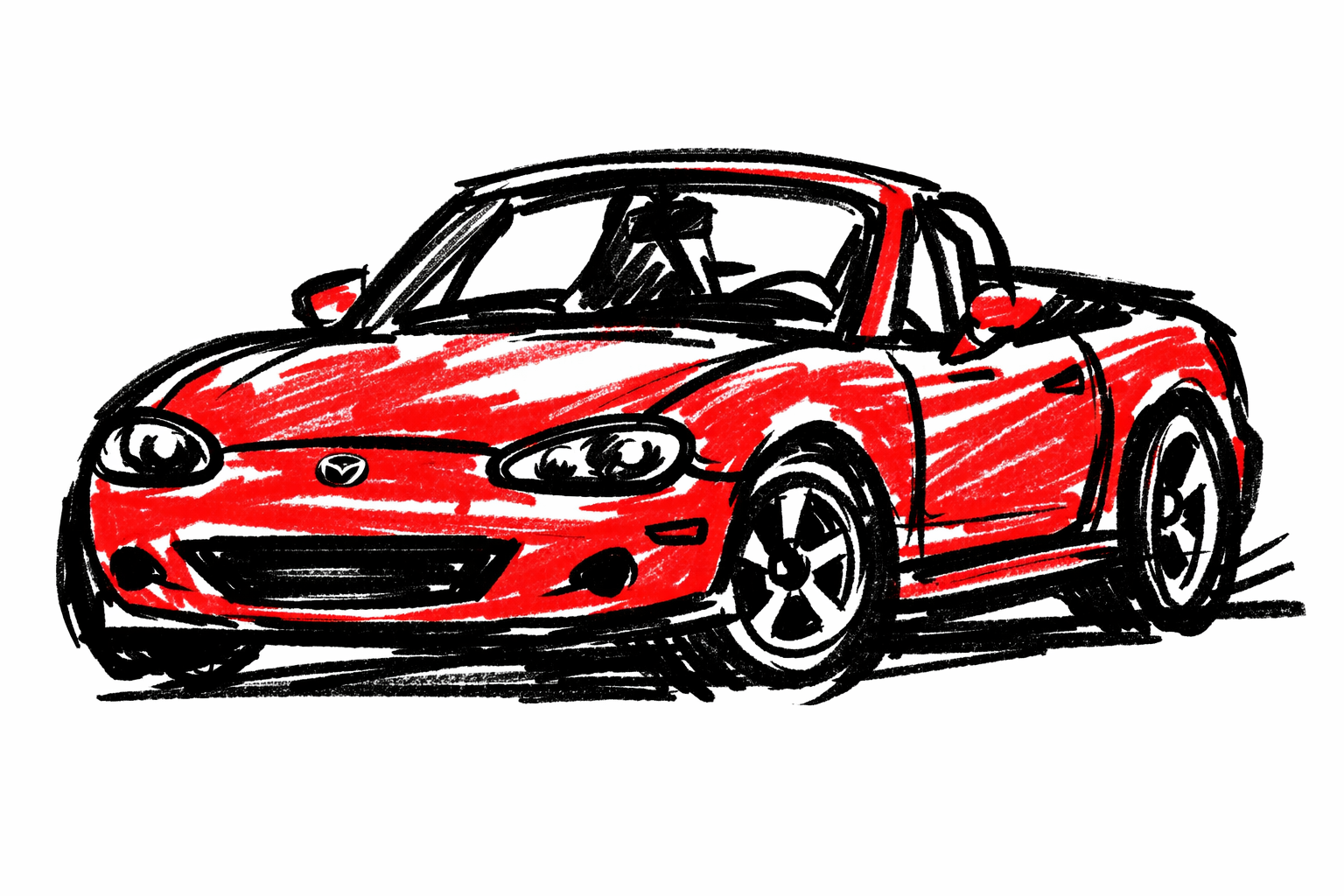
This guide is for Mazda MX-5 NB (1998-2005).
Leak inspection should identify the true source before replacing seals. Oil migration and airflow often make leaks appear far from origin.
Warning: Perform leak checks with the drivetrain cool and vehicle safely supported; avoid contact with rotating driveline components during running checks. https://www.mellens.net/mazda/index.html
High-risk quote: Running low on gear or differential oil due to ignored leaks can cause major driveline damage. https://www.aa1car.com/library/oil_leaks.htm
Manual-reference quote: NB FSM sets (1999-2001 and 2005) should be used for exact seal locations, fluid specs, and torque values by year/VIN. https://www.mellens.net/mazda/index.html
Required Tools
- Degreaser and lint-free rags
- Flashlight and inspection mirror
- Jack/stands or lift
- UV dye + lamp (optional, useful for ambiguous cases)
Required Parts / Fluids
- No parts for diagnosis only
- Correct seal(s) and fluid(s) once source is confirmed
Model-specific notes (NB1 vs NB2)
NB1 (1998-2000)
- 5-speed and differential variants can differ by market; confirm exact seal part numbers by VIN.
NB2 (2001-2005)
- 6-speed and LSD/non-LSD combinations may alter housing details and seal choices.
- Confirm gearbox/diff variant before ordering seals.
Step-by-Step Procedure
1) Clean first, then monitor
- Degrease gearbox and differential housings thoroughly.
- Drive briefly and reinspect to identify fresh leak origin.
2) Check common gearbox leak zones
- Input area (bellhousing side signs)
- Output/tailshaft seal area
- Case seam and fill/drain plug washers
Leak ID cue:
- gearbox oil commonly has a strong sulfur/EP odor,
- this helps distinguish it from engine-oil seepage in mixed-wet underbody areas.
3) Check common differential leak zones
- Pinion seal area at driveshaft flange
- Axle/output seals at side stubs
- Cover/case seams and plug washers
Common NB pattern: pinion and axle-side seals are frequent true-source points, while oil often appears farther rearward after airflow spread.
4) Differentiate leak vs splash/migration
- Trace highest fresh-wet point, not lowest drip point.
- Check if leak pattern appears only after highway speed or spirited driving.
5) Repair planning before teardown
- Confirm which seal(s) actually failed.
- Confirm required tools and whether companion parts (nuts/crush washers) are one-time-use per FSM.
- Plan fluid replacement and refill sequence.
6) Post-repair verification
- Reclean area and drive/test.
- Reinspect after heat cycles and after overnight parking.
If seepage persists, confirm venting and adjacent seal surfaces before replacing a second seal by assumption.
Torque Specs / Capacities (if applicable)
- Seal carrier/companion fasteners and plug torques: year/VIN FSM.
- Gearbox/differential fluid type and fill level: year/VIN FSM.
Verification / Post-service checks
- No fresh seepage at repaired location.
- Fluid levels remain stable over multiple drives.
- No new driveline noise from low fluid damage.
Practical mistakes to avoid
- Diagnosing from lowest drip point instead of highest fresh-wet point.
- Replacing a seal before cleaning and rechecking origin.
- Ignoring blocked differential/gearbox vent paths that can force new leaks.
- Mixing washer reuse and torque guesses on fill/drain plugs.
Sources
- Mellens.net — Mazda Miata Factory Service Manuals. Retrieved 2026-03-12. https://www.mellens.net/mazda/index.html
- AA1Car (Larry Carley) — How To Find & Fix Engine Oil Leaks. Retrieved 2026-03-12. https://www.aa1car.com/library/oil_leaks.htm
- wikiHow — How to Change Transmission Mounts (under-car inspection safety context). Retrieved 2026-03-12. https://www.wikihow.com/Change-Transmission-Mounts
- AutoZone — Advice & How-To’s (DIY technical hub). Retrieved 2026-03-12. https://www.autozone.com/diy