Before You Start / Safety
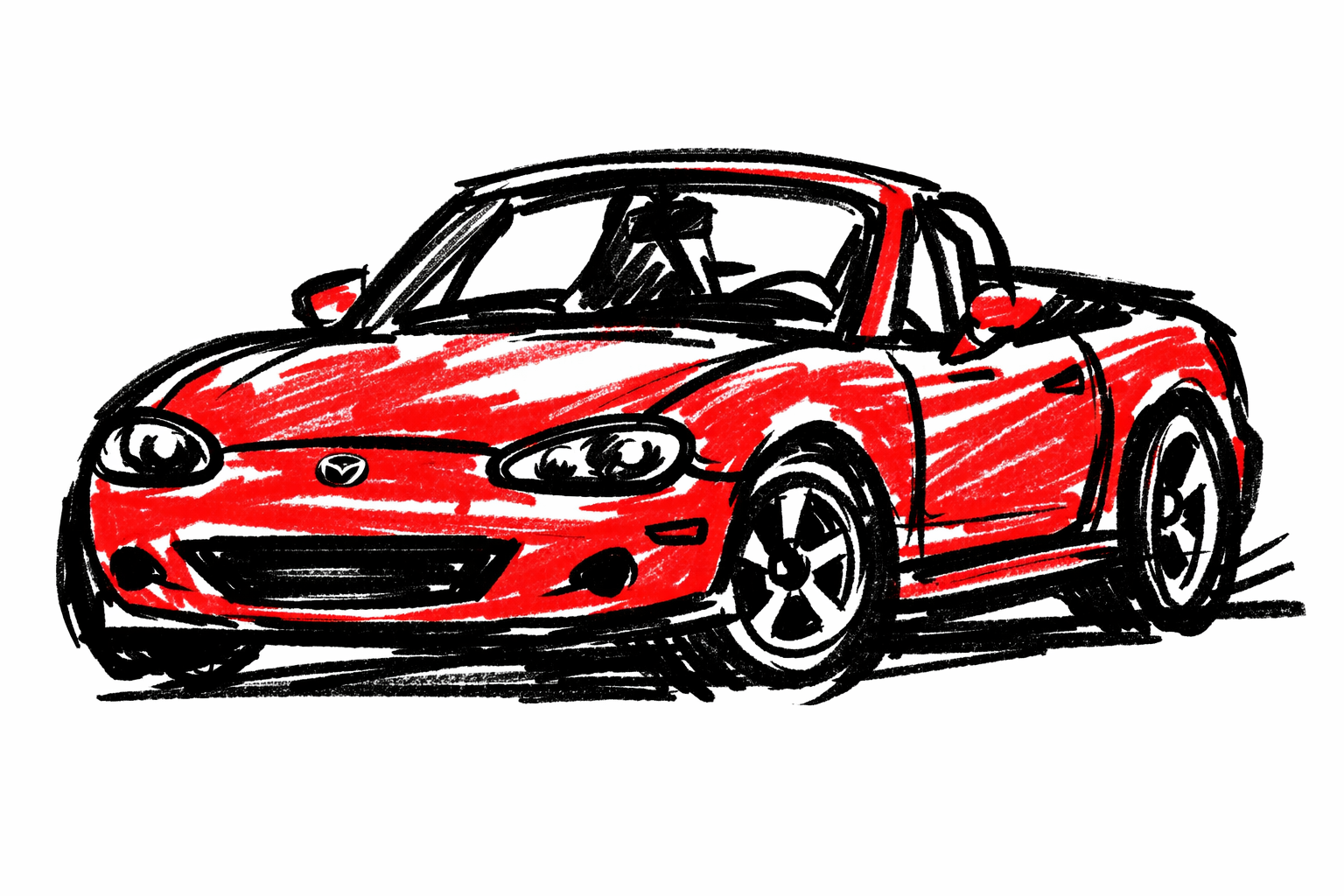
This guide is for Mazda MX-5 NB (1998-2005).
Slave cylinder issues often present as low pedal, hard shifting into reverse/1st, or incomplete disengagement. Confirm hydraulic leaks first.
Warning: Brake/clutch fluid damages paint and skin; protect painted areas and clean spills immediately. https://www.autozone.com/diy
High-risk quote: Improper bleed sequence or allowing the reservoir to run low can trap air and leave clutch disengagement worse after parts replacement. https://www.mx5nutz.com/threads/how-do-i-bleed-clutch-after-slave-cylinder-swap.86271/
Manual-reference quote: NB service procedures/specs are year-grouped (1999-2001 and 2005), so line fitting, slave mounting, and bleed details must be verified by year/VIN FSM. https://www.mellens.net/mazda/index.html
Required Tools
- Flare/line wrench for hydraulic fitting
- Socket/spanner set for slave mounting bolts
- Clear bleed hose + catch bottle
- Fresh DOT fluid per FSM
- Helper or one-person bleeder
Required Parts / Fluids
- Correct clutch slave cylinder for exact NB variant
- Bleeder cap (if missing/damaged)
- Fresh clutch hydraulic fluid
Model-specific notes (NB1 vs NB2)
NB1 (1998-2000)
- Process is generally straightforward, but line access and underbody clearance can vary.
NB2 (2001-2005)
- Similar method; access can be influenced by braces/exhaust mods and aftermarket hardware.
Where the slave cylinder is on NB
- Mounted on the transmission bellhousing side,
- connected to the hard/flexible clutch hydraulic line,
- with a small bleeder nipple on the slave body (usually protected by a rubber cap).
Step-by-Step Procedure
1) Confirm slave leak/failure evidence
- Inspect dust boot and slave body for wetness.
- Check line connection for seepage.
- Confirm master cylinder isn’t the actual leak source.
2) Prepare system and remove old slave
- Protect paint and set up catch rags.
- Disconnect hydraulic line carefully (avoid rounding fitting).
- Remove slave mounting bolts and withdraw unit.
Use a flare-nut wrench on line fittings whenever possible; open-end wrench slip is a common cause of rounded hydraulic nuts.
3) Install new slave cylinder
- Position and bolt in place.
- Reconnect hydraulic line without cross-threading.
- Ensure line routing is not twisted or under preload.
4) Bleed clutch circuit completely
- Fill reservoir with fresh fluid.
- Use consistent pedal/bleeder timing.
- Keep reservoir above minimum at all times.
Bleed rhythm reminder:
- pedal down and hold,
- open bleeder briefly,
- close bleeder,
- release pedal,
- repeat.
5) Verify pedal and disengagement
- Pedal should feel firm and return consistently.
- Check reverse/1st engagement at standstill.
- Re-bleed if engagement remains poor.
If symptoms persist after proper bleed, inspect master cylinder and flexible hose condition before replacing additional parts blindly.
Torque Specs / Capacities (if applicable)
- Slave mounting and line fitting torques: use year/VIN FSM.
- Fluid specification: use year/VIN FSM.
Verification / Post-service checks
- No leaks at slave body, bleeder, or line fitting.
- Consistent clutch bite/disengagement after road test.
- No fluid level drop after heat cycles.
Practical mistakes to avoid
- Rounding the hydraulic fitting by using the wrong wrench.
- Letting reservoir level fall below minimum during bleed.
- Over-tightening bleeder nipple and damaging seat threads.
- Ignoring persistent soft pedal after replacement instead of diagnosing companion faults.
Sources
- Mellens.net — Mazda Miata Factory Service Manuals. Retrieved 2026-03-13. https://www.mellens.net/mazda/index.html
- AutoZone — Advice & How-To’s (DIY technical hub). Retrieved 2026-03-13. https://www.autozone.com/diy
- MX5Nutz Forum — How Do I Bleed Clutch After Slave Cylinder Swap. Retrieved 2026-03-13. https://www.mx5nutz.com/threads/how-do-i-bleed-clutch-after-slave-cylinder-swap.86271/